
Hi, I'm Candace
Welcome to NewWay Accounting! Explore our resources for small businesses and entrepreneurs to help you maximize your profit and amplify your tax savings!
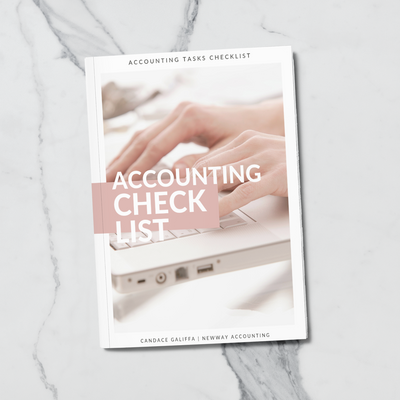
free download
GRAB YOUR COPY!
The Ultimate Accounting Checklist for Entrepreneurs
TOP PICKS
BUSINESS TIPS
TAX DEDUCTIONS
TAX REFORM
QUARTERLY TAXES
SAVINGS & RETIREMENT
April 27, 2026
For many small business owners, “tax planning” sounds about as appealing as reorganizing a filing cabinet. You’re busy running your business, taking care of customers, and trying to find a few minutes to eat lunch. Taxes feel like a problem for Future You.
But by the time the tax filing season rolls around, a lot of the best tax planning opportunities have already passed.
That’s why smart tax planning happens all year long, in manageable steps, rather than once a year in a hurried rush. Done right, it can save you real money.
Here are a few important areas to keep on your radar, no matter the time of year.
Does your business structure still work for you?
Your business structure has a direct impact on how much tax you pay. Whether you set your business up as a sole proprietorship, partnership, limited liability company (LLC), S corporation, or C corporation, it’s a good idea to revisit the decision from time to time, especially as your income grows.
If your business has changed, it’s worth a conversation about whether your current structure is still the most tax-efficient option. For example, some business structures qualify for a 20% deduction on qualified business income, and some could reduce self-employment taxes by making a simple tax election.
However, these tax strategies have strict eligibility rules. You need to consider your income level, industry, and how your business pays you. It’s not one-size-fits-all, but it’s worth a conversation with a tax advisor to see if you can uncover meaningful savings.
When’s the Right Time to Buy Equipment?
If you plan to invest in new equipment, technology, or vehicles for your business, when you make the purchase can be just as important as what you buy. Tax provisions like bonus depreciation and Section 179 expensing allow many small businesses to deduct the full cost of qualifying purchases in the year they’re put into use rather than depreciating them over several years.
That means a major purchase at the right moment can reduce your taxable income for that year. It also means a purchase made at the wrong time, like right after December 31, delays that deduction by a full year. Planning pays off.
Do you need to pay quarterly estimated payments?
The IRS expects all taxpayers to pay taxes throughout the year as they earn income rather than in a lump sum when they file their tax returns. Withholding taxes take care of this requirement for W-2 employees, but many business owners and self-employed people need to pay estimated taxes in four installments throughout the year.
Skipping or underpaying them can lead to penalties even if you settle up in full when you file your return.
The good news is that staying on top of estimated tax payments also helps with cash flow. When you set money aside regularly, you don’t have to scramble to come up with a large lump sum at the end of the year.
Are you compliant with payroll tax laws?
If you have employees or pay yourself a salary, payroll taxes are a year-round responsibility. Missing a deadline or misclassifying a worker can lead to penalties that sting far more than you might realize.
One common (and costly) mistake is misclassifying an employee as an independent contractor. The IRS uses three factors to determine whether a worker is an independent contractor or an employee:
- Behavioral. Do you have the right to control what the worker does and how they do the job? If so, they’re likely an employee.
- Financial. Do you control how the worker gets paid? Do you reimburse expenses? Do you provide the tools and supplies needed to perform the job? If so, they’re likely an employee.
- Type of relationship. Do you have a written contract in place? Having a contract that says the worker is an independent contractor isn’t enough on its own. The IRS also considers whether you provide benefits, such as a retirement plan, insurance or vacation pay.
The IRS and the Department of Labor take this issue seriously. If you’re unsure about a worker’s status, it’s always better to ask before filing than to sort it out later.
Are you maximizing your retirement contributions?
Contributing to a retirement plan is a tax strategy that can do double duty. Depending on the type of account you use, contributions may reduce your taxable income today and build your financial future at the same time.
Several types of retirement accounts are available to small business owners, including traditional and Roth IRAs, SIMPLE IRAs, SEP-IRAs, Solo 401(k)s, and defined contribution plans. The right account (or combination of accounts) for you depends on your income, available contributions, whether you have employees, and the amount of flexibility you want.
While you can often contribute to a retirement account right up to the tax deadline, it still has a place in year-round tax planning conversations. Waiting until the last minute may mean leaving money on the table because:
- Some plans need to be set up before year-end
- Your contribution limits are tied to how much you earn
- You need the cash available to maximize contributions
The earlier in the year you start contributing, the easier it is to spread out the impact on your cash flow.
Let’s talk before next tax season hits
Tax planning doesn’t have to be complicated. The goal isn’t to become a tax expert yourself; it’s to stay aware enough that nothing catches you off guard and ensure you don’t miss opportunities that could put money back in your pocket.
At NewWay Accounting, we help small business owners stay ahead of their taxes. Whether you have a quick question or want a full strategy review, we’re here to help.
You’ve worked hard to build your business. A little proactive planning helps make sure more of what you earn stays with you.
Leave a Reply Cancel reply
Get on the list
Sign up to get tax and bookkeeping hacks for entrepreneurs delivered straight to your inbox twice a month!
Thank you!
Get ready to feel more confident and in control of your business finances!